Geology
Regional Geology
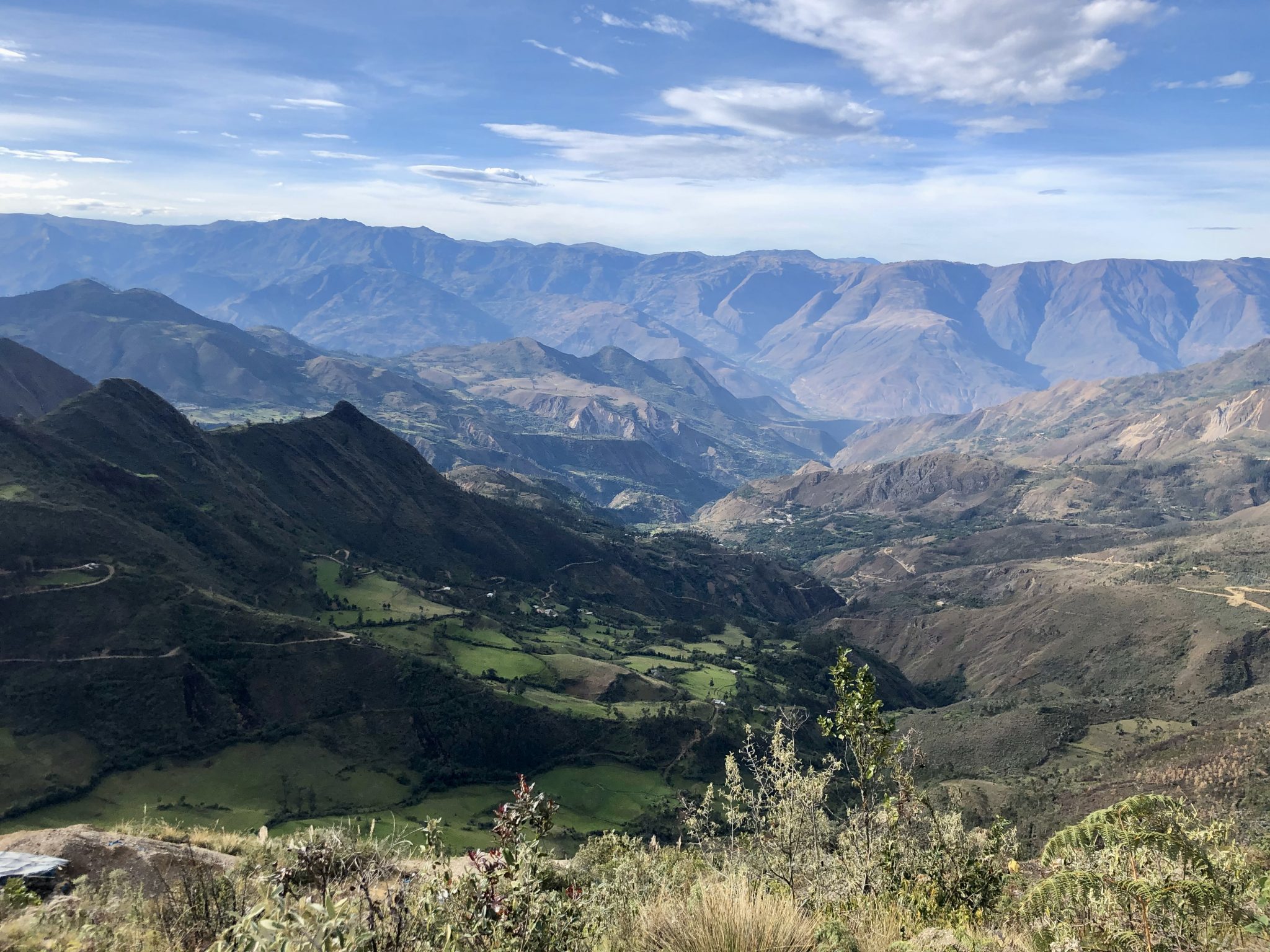
The Igor Project is located on the central spine of the Western Cordillera of the Peruvian Andes. The regional geology consists of the Lower Cretaceous Chimú Formation (quartz arenite, black shale and local coal seams) overlying shale and intercalated sandstone, quartzite and mudstone of the Upper Jurassic Chicama Formation. Intermediate to felsic intrusive rocks of Mid to late Tertiary age are common and responsible for most of the significant mineral deposits in the area.
Metallogenically, the Igor Project is part of the Oligocene – Pliocene Gold-Silver Epithermal Belt. Important deposits are Yanacocha, Shahuindo, La Arena and Sayapullo to the north, while to the south lie Lagunas Norte, Salpo, Quiruvilca, Pashpap and Pierina. To the east, lies the Miocene Gold-Copper Porphyry Belt, which includes deposits such as Minas Conga, El Galeno and Magistral.
The original Igor and Tesoros mines are included in a group of disseminated gold deposits, found in the Cajabamba-Huamachuco-Angasmarca (CHA) region of northern Peru, known as distal sandstone-hosted gold deposits (Montoya, et al., 1995). The Shahuindo and La Arena gold and silver deposits are nearby examples of this deposit type. The Igor project exhibits most of the major sandstone-hosted gold deposit characteristics including: host rock lithology, structural setting, hydrothermal alteration, and geochemistry. This large scale, potentially bulk minable target type has not seen significant exploration focus in the past at Igor, but it is an important exploration target for PPX. Our geologists believe that the Portachuelos target area also shares these same geologic characteristics.
PPX Mining will concentrate on the expansion and development of the Callanquitas structurally-controlled high-grade gold and silver mineralization while simultaneously evaluating the potential for bulk-mineable, low-grade gold and silver mineralization at Tesoros and Portachuelos, targets that could greatly expand the precious metal resource base at Igor. It is clear that the Igor Project is a district scale project with the potential for multiple gold and silver deposits.
Local Geology
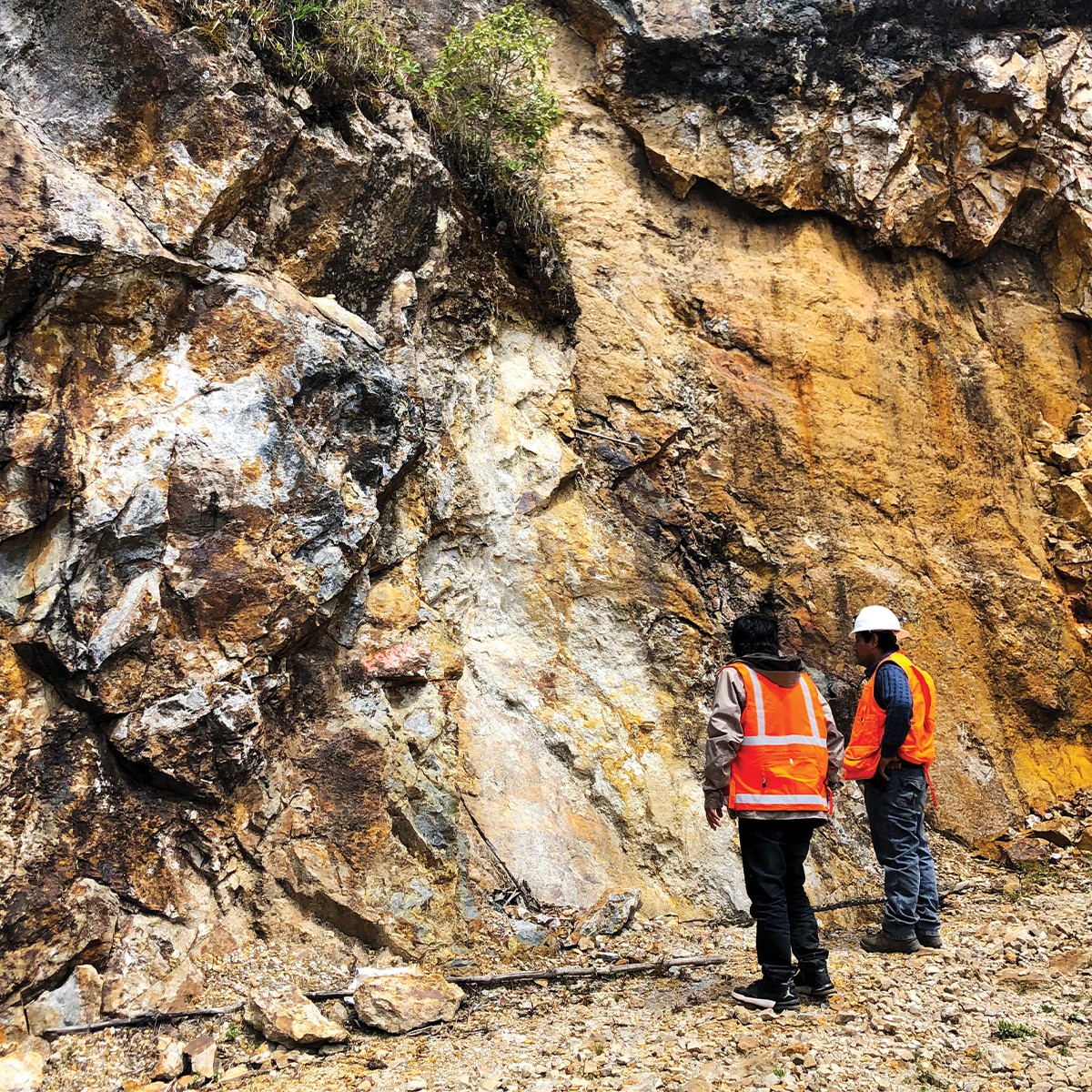
The main rock types at Igor are:
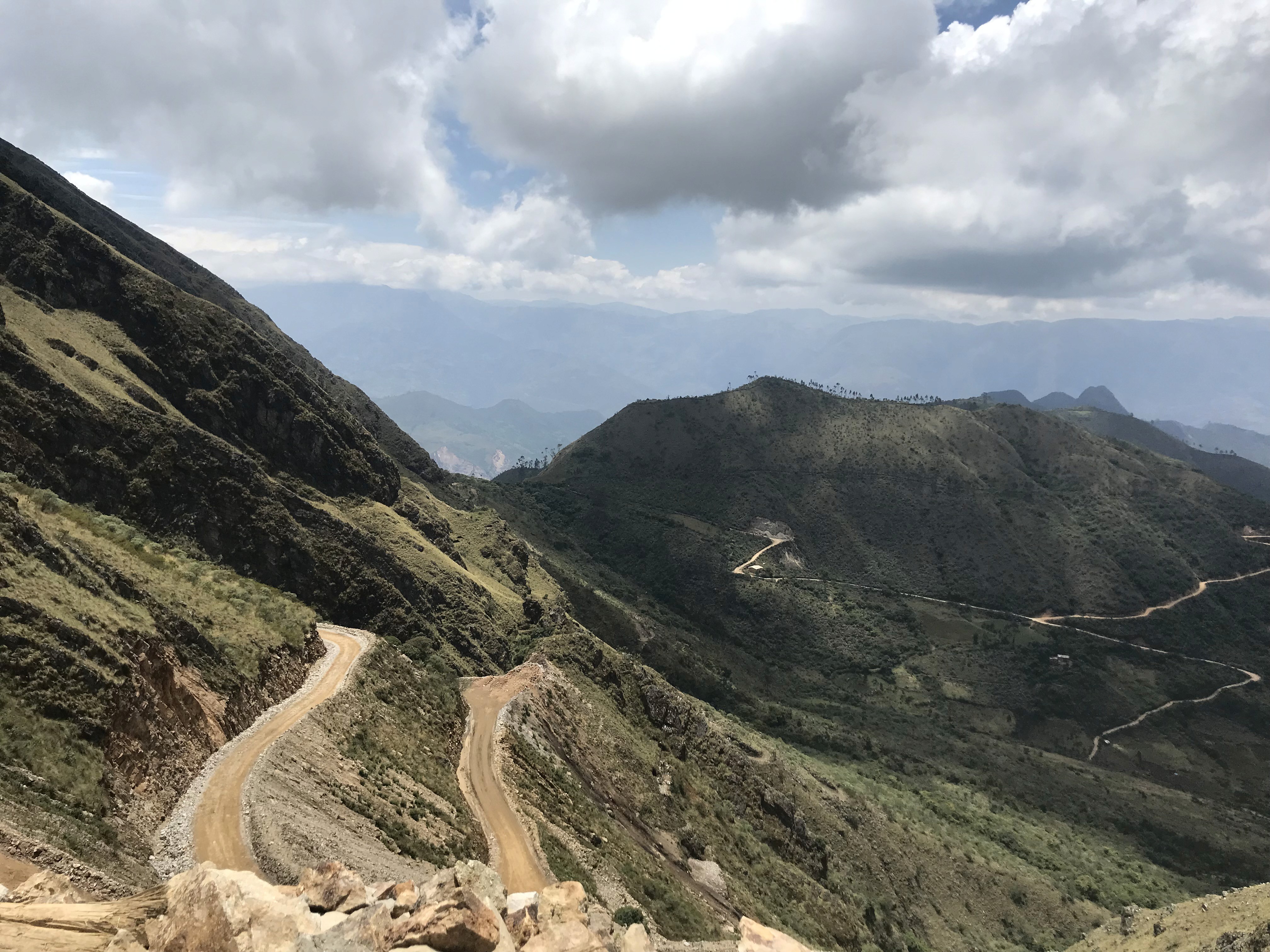
The sedimentary sequence has been extensively folded, thrusted and dissected by major faults. The structure is dominated by an anticline some 3 kilometres (km) long and 2 km wide. Intruding the sedimentary rocks are numerous dacitic dykes, stocks and sills that are typically altered to a phyllic hydrothermal assemblage (quartz-sericite-pyrite). Minor granodiorite is present some deep drill holes.
Precious metal mineralization at Igor consists of a series of veins, breccias and mantos principally with a north to south orientation, although secondary north-east to south-west and north-west to south-east trends are also important. Gold and silver are the most important metals. Geochemically, arsenic and antimony commonly accompany precious metal mineralization. Weak localized base metal (lead and zinc) mineralization is also present. Copper grades are generally low, but frequently increase with depth, especially in the Portachuelos area. Oxidation, especially along structures, is pervasive and commonly extends to depths of several hundred metres. Gold and silver mineralization appears to below to Intermediate sulphidation epithermal in character and there are indications of a deep porphyry copper gold system underlying the Igor District.