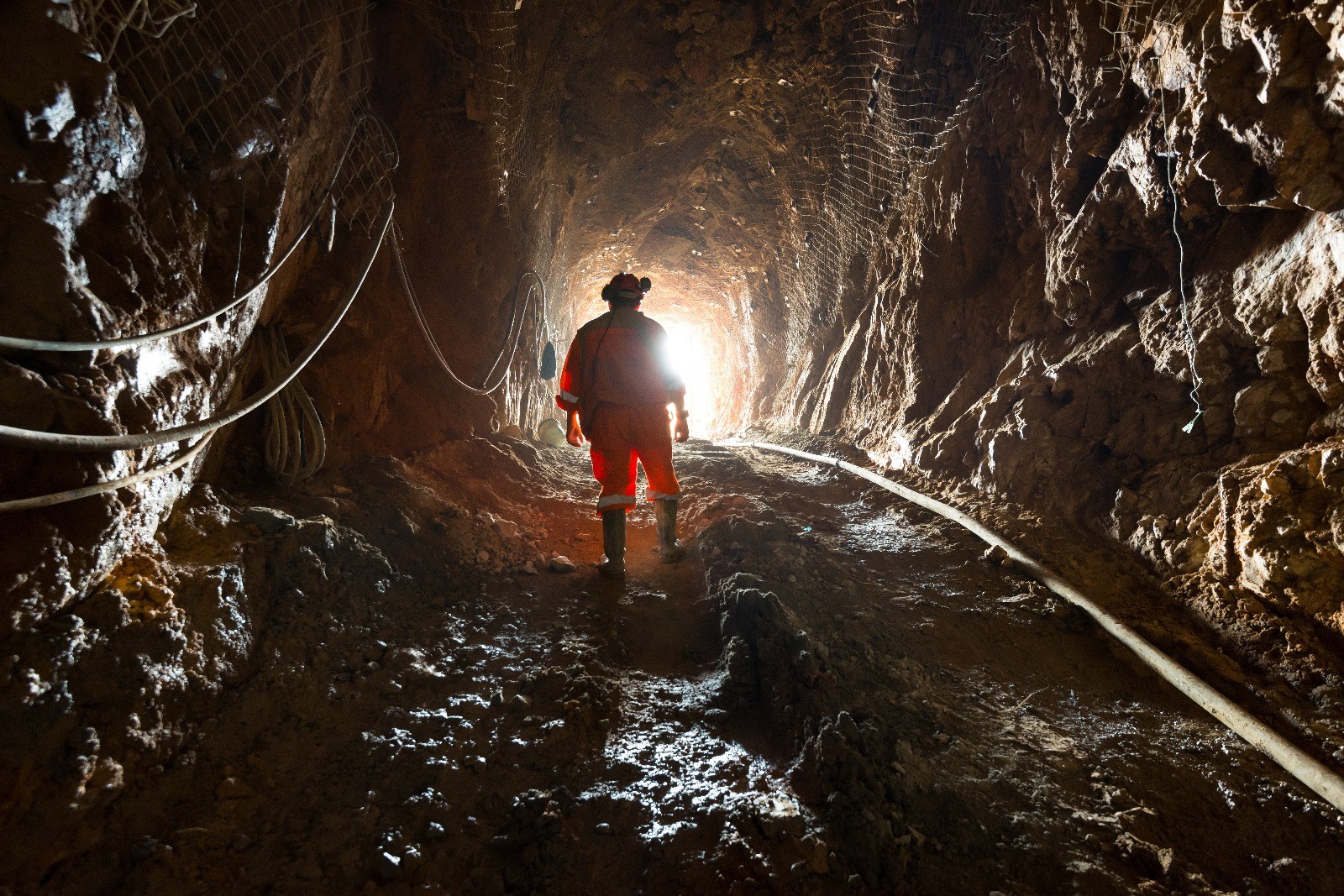
PPX is operating the Callanquitas Mine (“Mina Callanquitas”) exploiting high grade, underground-minable oxidized gold and silver ore. Based on the Company’s Pre-Feasibility Study (“PFS”), PPX expects the Callanquitas Mine to produce up to 26,000 AuEq* ounces per year over a seven-year mine life at cash cost of less than US$610/AuEq* ounce (the Igor PFS is available on the Company’s website and SEDAR). While PPX has not declared commercial production at Mina Callanquitas. Nonetheless, increasing metal prices and mine productivity, coupled with superior toll milling contracts, have all contributed to the increasing revenue derived from operations at Mina Callanquitas. Through Fiscal Q3 2021, Mina Callanquitas has produced over 133,000 tonnes of ore grading 9.40 gpt gold and 79.1 gpt silver from the Measured and Indicated Resource at Mina Callanquitas which is a portion of the project’s Mineral Reserves as defined in the Igor PFS. The mine currently produces at a rate of approximately 140 tonnes/day with ore being processed at nearby toll milling facilities.
Based on the PFS prepared by Mine Development Associates (“MDA”) of Reno, Nevada in accordance with the requirements of Canadian National Instrument 43-101 “Standards of Disclosure for Mineral Projects” (NI 43-101) the Igor Project has:
Total Diluted Proven and Probable Reserves
1,030,000 tonnes grading 4.10 gpt Au (136,000 ounces Au) and 104.08 gpt Ag (3,445,000 ounces Ag), or 154,000 AuEq ounces at a grade of 4.66 gpt AuEq.
Total Diluted Proven and Probable Reserves
1,030,000 tonnes grading 4.10 gpt Au (136,000 ounces Au) and 104.08 gpt Ag (3,445,000 ounces Ag), or 154,000 AuEq ounces at a grade of 4.66 gpt AuEq.
Total Diluted Proven and Probable Reserves
1,030,000 tonnes grading 4.10 gpt Au (136,000 ounces Au) and 104.08 gpt Ag (3,445,000 ounces Ag), or 154,000 AuEq ounces at a grade of 4.66 gpt AuEq.
Total Measured and Indicated Resources
1,470,000 tonnes, grading 4.72 gpt Au (223,000 ounces Au) and 109.5 gpt Ag (5.18M ounces Ag) equal to 246,000 AuEq ounces (5.21 gpt AuEq). Inferred Resources totaled 613,000 tonnes, grading 3.91 gpt Au (77,0000 ounces Au), and 139.7 gpt Ag (2.75M ounces Ag) equal to 89,000 AuEq ounces. The reported Resources are inclusive of the Mineral Reserves.
Total Measured and Indicated Resources
1,470,000 tonnes, grading 4.72 gpt Au (223,000 ounces Au) and 109.5 gpt Ag (5.18M ounces Ag) equal to 246,000 AuEq ounces (5.21 gpt AuEq). Inferred Resources totaled 613,000 tonnes, grading 3.91 gpt Au (77,0000 ounces Au), and 139.7 gpt Ag (2.75M ounces Ag) equal to 89,000 AuEq ounces. The reported Resources are inclusive of the Mineral Reserves.
Total Measured and Indicated Resources
1,470,000 tonnes, grading 4.72 gpt Au (223,000 ounces Au) and 109.5 gpt Ag (5.18M ounces Ag) equal to 246,000 AuEq ounces (5.21 gpt AuEq). Inferred Resources totaled 613,000 tonnes, grading 3.91 gpt Au (77,0000 ounces Au), and 139.7 gpt Ag (2.75M ounces Ag) equal to 89,000 AuEq ounces. The reported Resources are inclusive of the Mineral Reserves.
Plant Construction
1
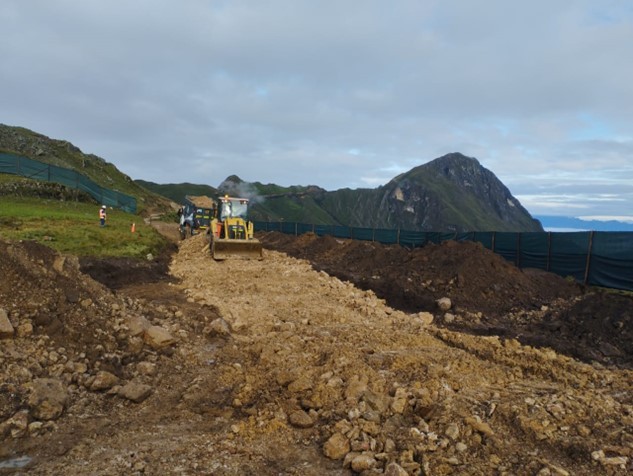
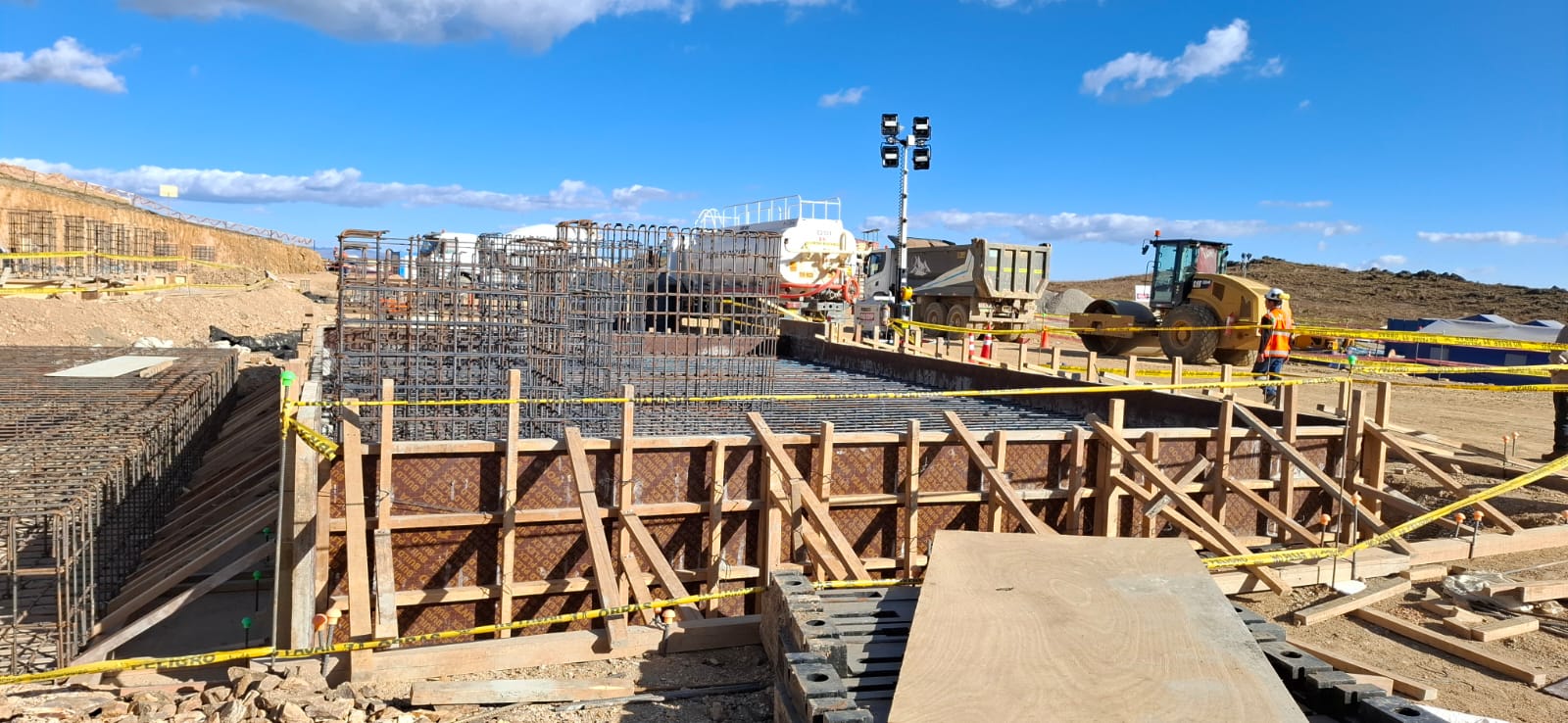
Final excavation for retaining wall, the feed silo will be located here.
1
Final excavation for retaining wall, the feed silo will be located here.
1
Final excavation for retaining wall, the feed silo will be located here.
2
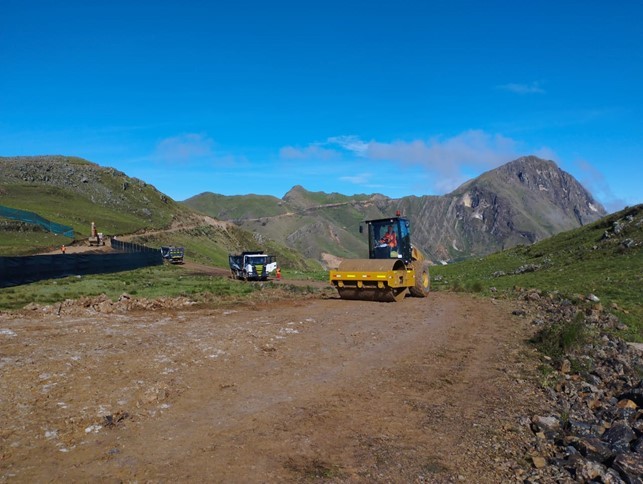
Enclosure wall for leach area foundations.
2
Enclosure wall for leach area foundations.
2
Enclosure wall for leach area foundations.
3
Steel reinforcing for one of the leach tanks.
3
Steel reinforcing for one of the leach tanks.
3
Steel reinforcing for one of the leach tanks.
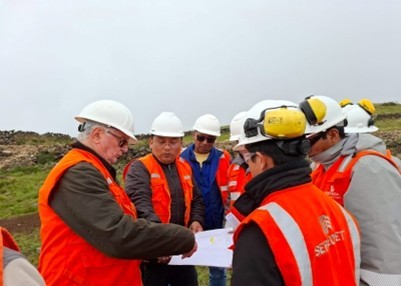
Site meeting on April 13, 2025.
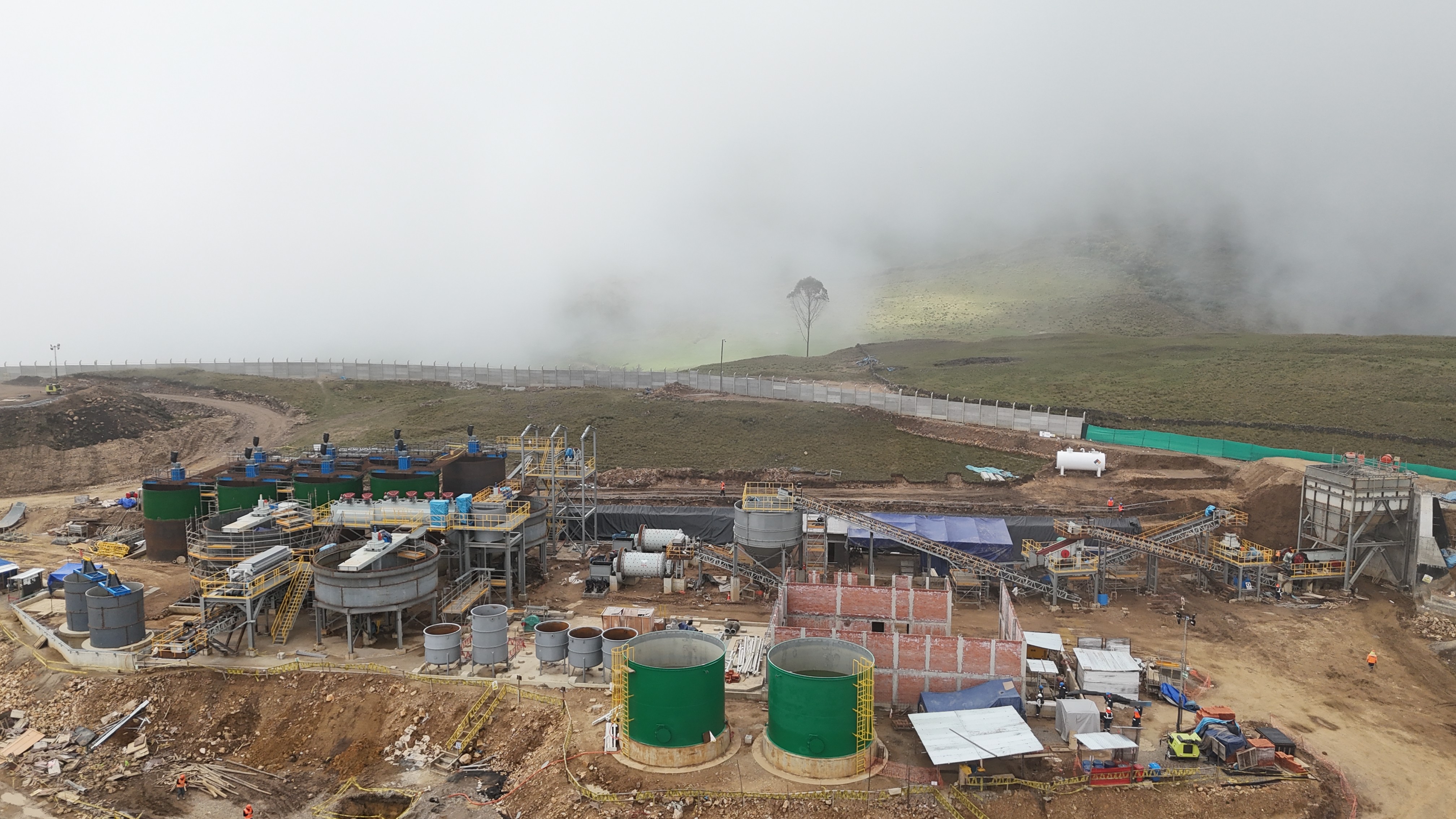
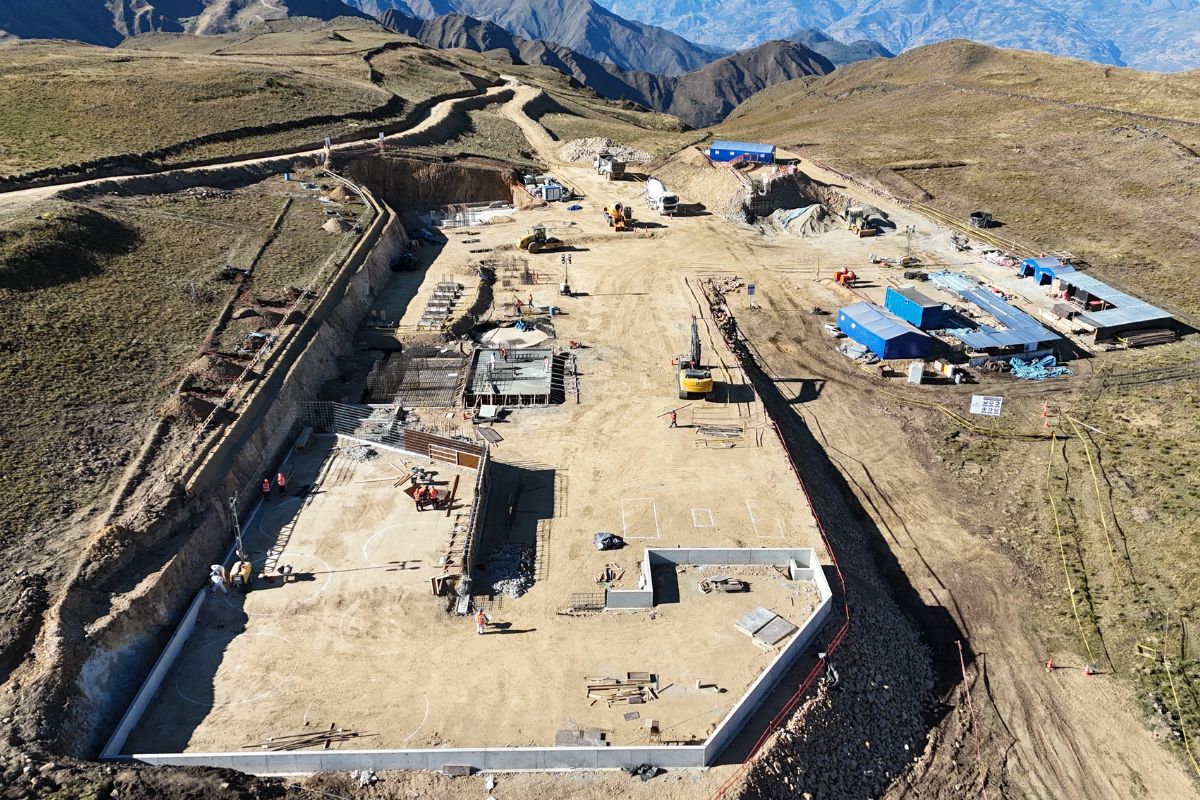
Over view of plant site (April 21, 2025), earthmoving is being completed and concrete installation is scheduled to start in early May.
Plant construction continues (July 16, 2025) the ball mill foundations are nearing completion.
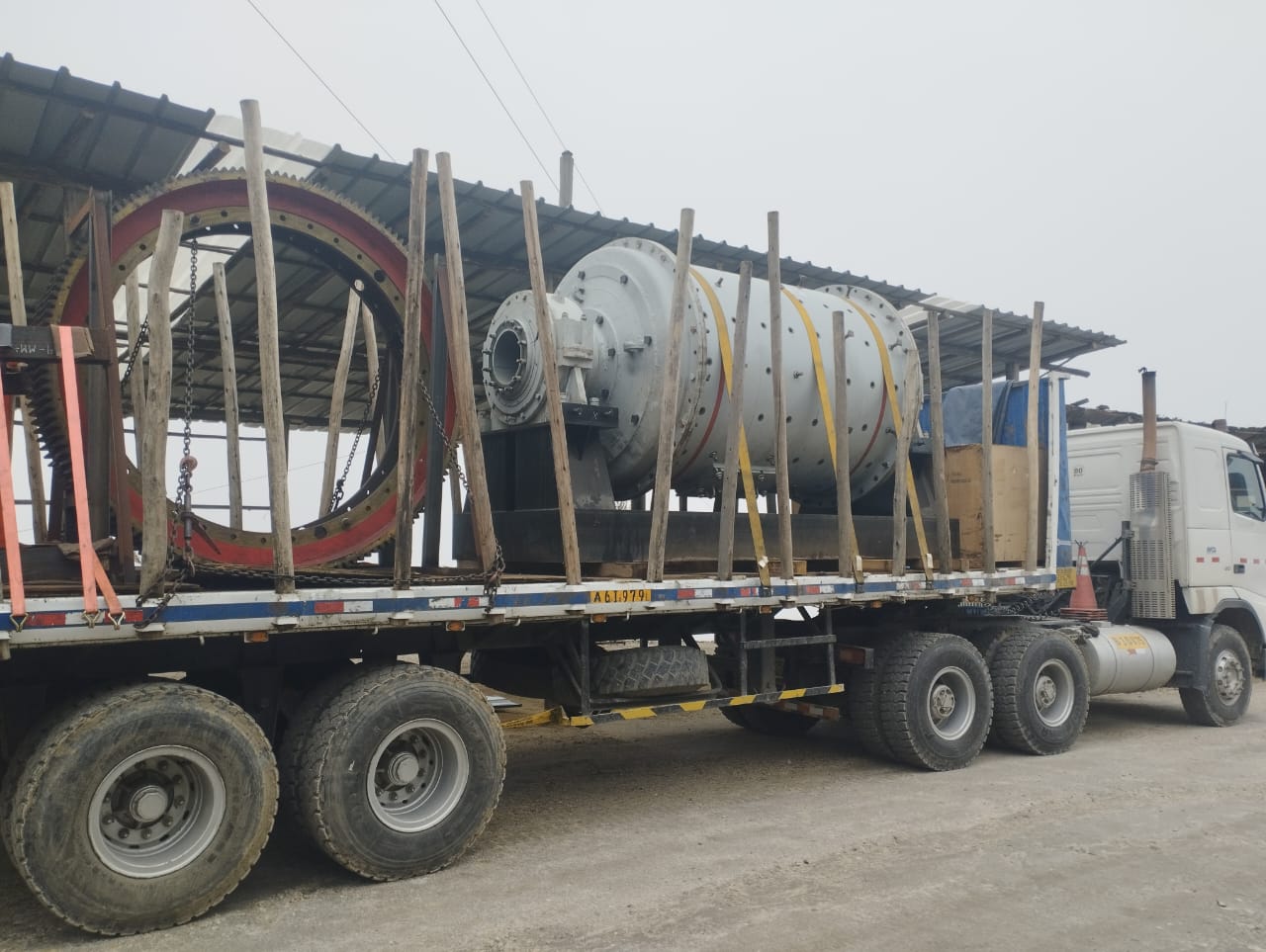
Ball mill with ring gear removed for ease of transportation to plant site.
Plant construction continues (July 16, 2025) the ball mill foundations are nearing completion.
Over view of plant site (April 21, 2025), earthmoving is being completed and concrete installation is scheduled to start in early May.
Ball mill with ring gear removed for ease of transportation to plant site.
*AuEq is calculated as follows: AuEq ounces = Au ounces + Ag ounces/75. Per PFS, inclusive of metallurgical recovery.
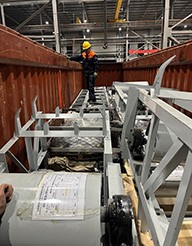
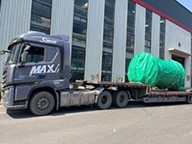
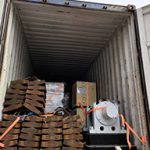
Most of the plant equipment will be shipped from China on April 26th. estimated arrival second week of June. Some photographs of the shipping operation are shown below.
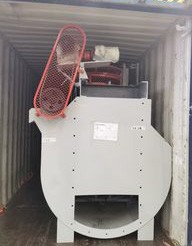
Flotation cells in container
Conveyor structures and drives
Ball mill on way to ship
Mill linings and part of mill drive
Construction of The Ball Mill Bases
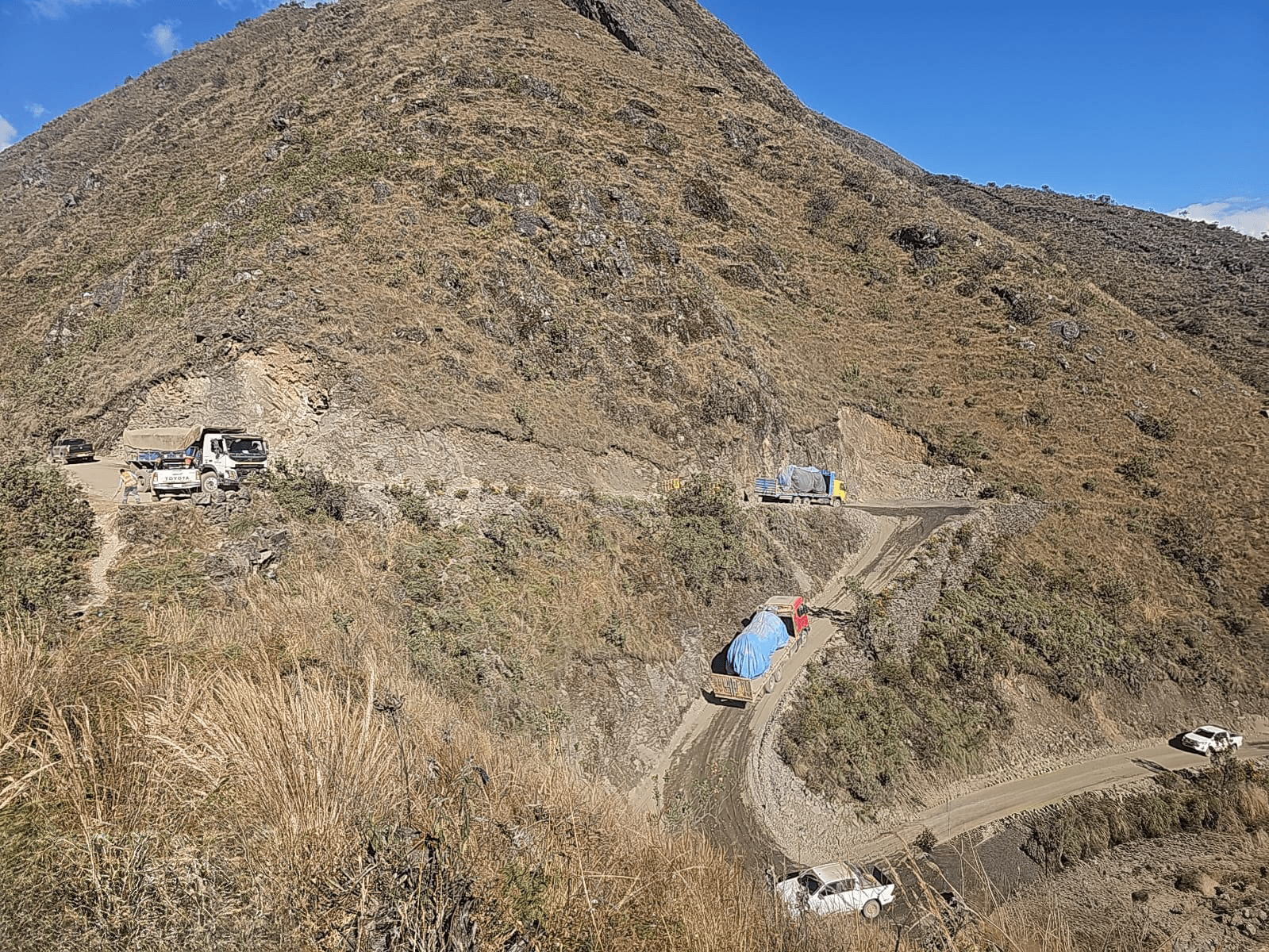
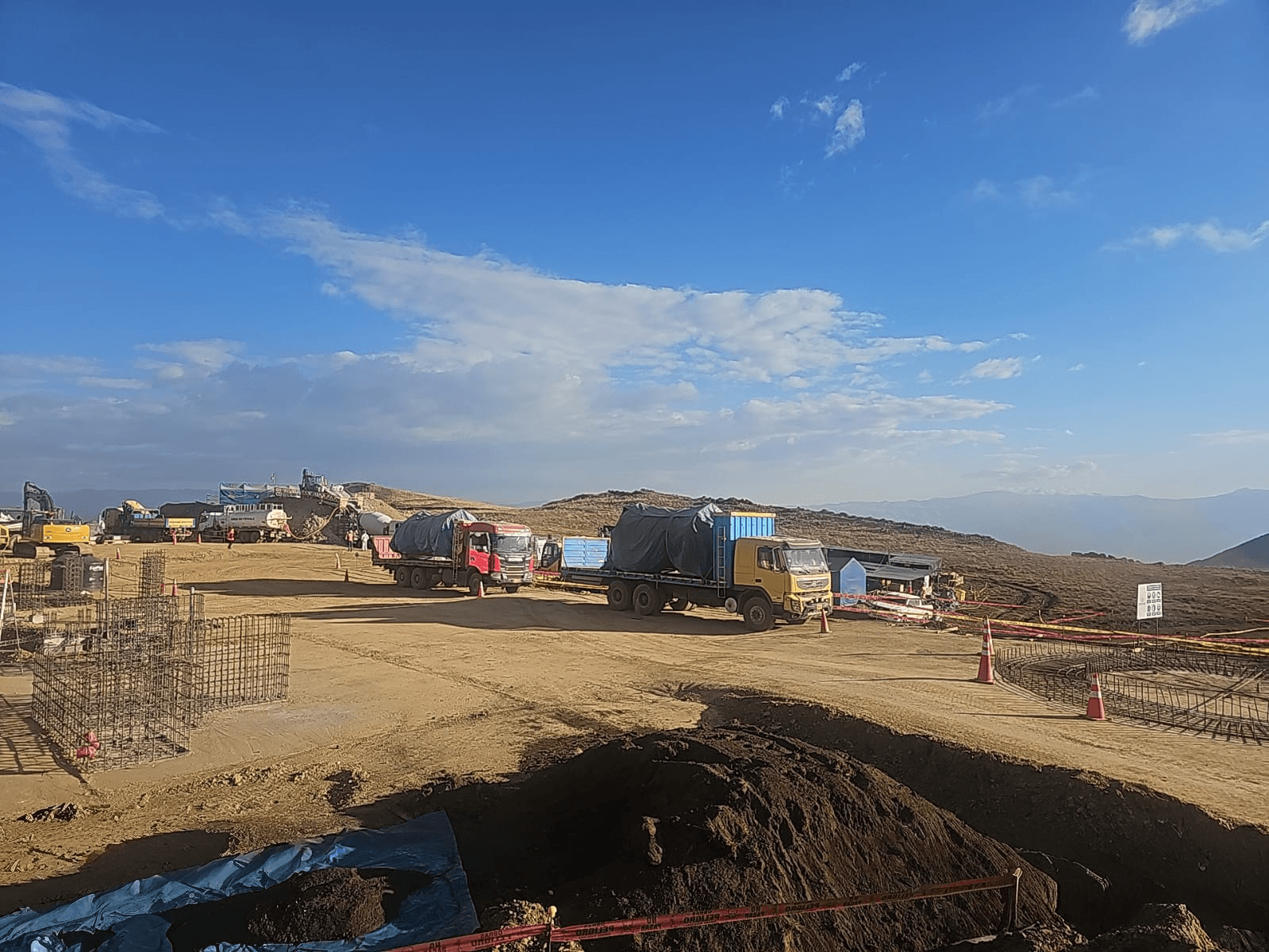
Ball mill in transit, climbing the steep access road
Flotation cells in container
Ball mill in transit, climbing the steep access road
Conveyor structures and drives
Plant Visit
A visit was made to the company (Joyim S.A.C) that is supplying the carbon treatment plant. A part of the equipment required is shown below:
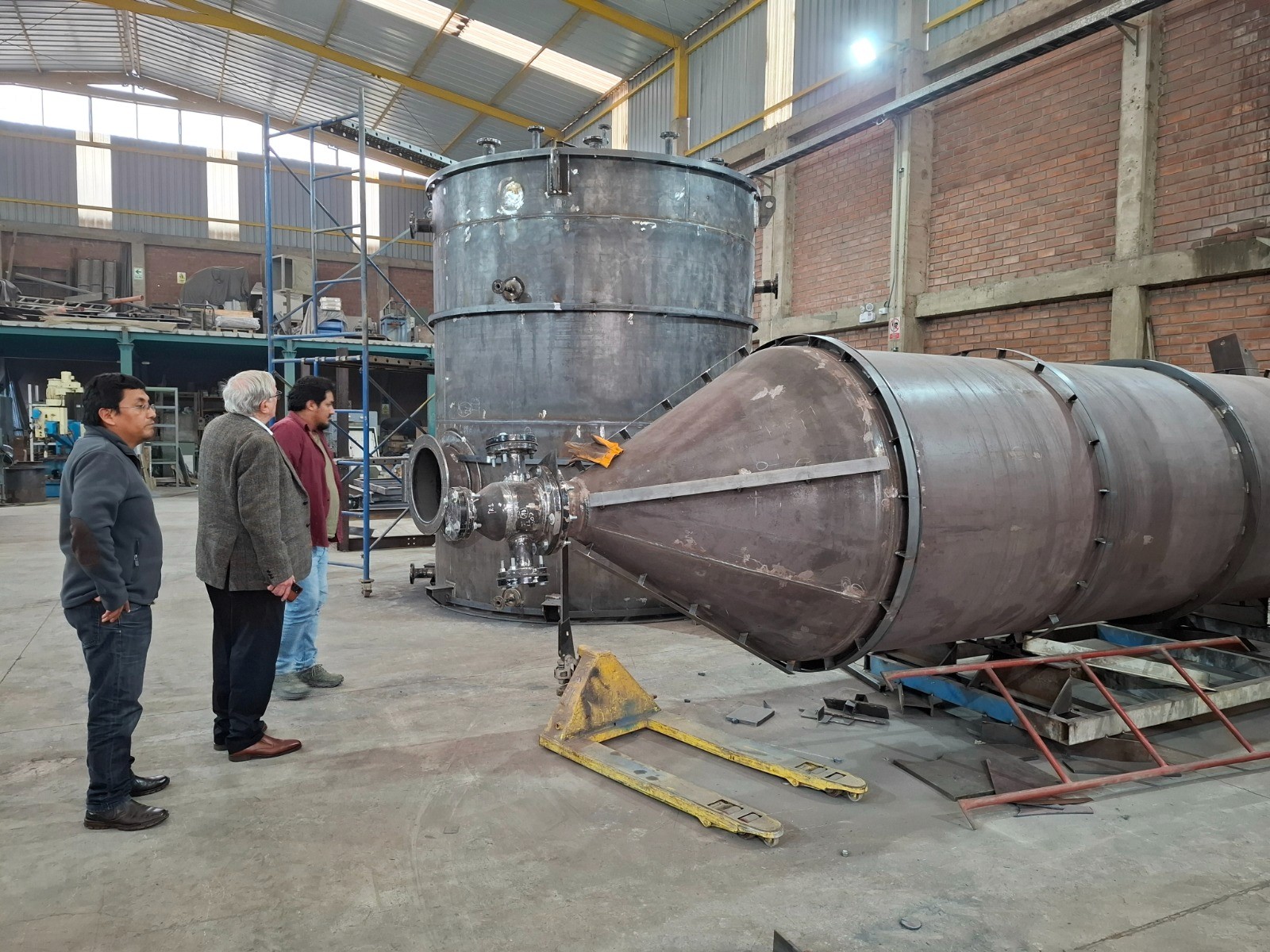
Elution column, awaiting pressure testing. There are two of these, they will operate at 1 40 – 150 degrees and gold and silver will be desorbed from “loaded carbon” producing a solution containing gold and silver. Behind is the storage tank for elution solution.
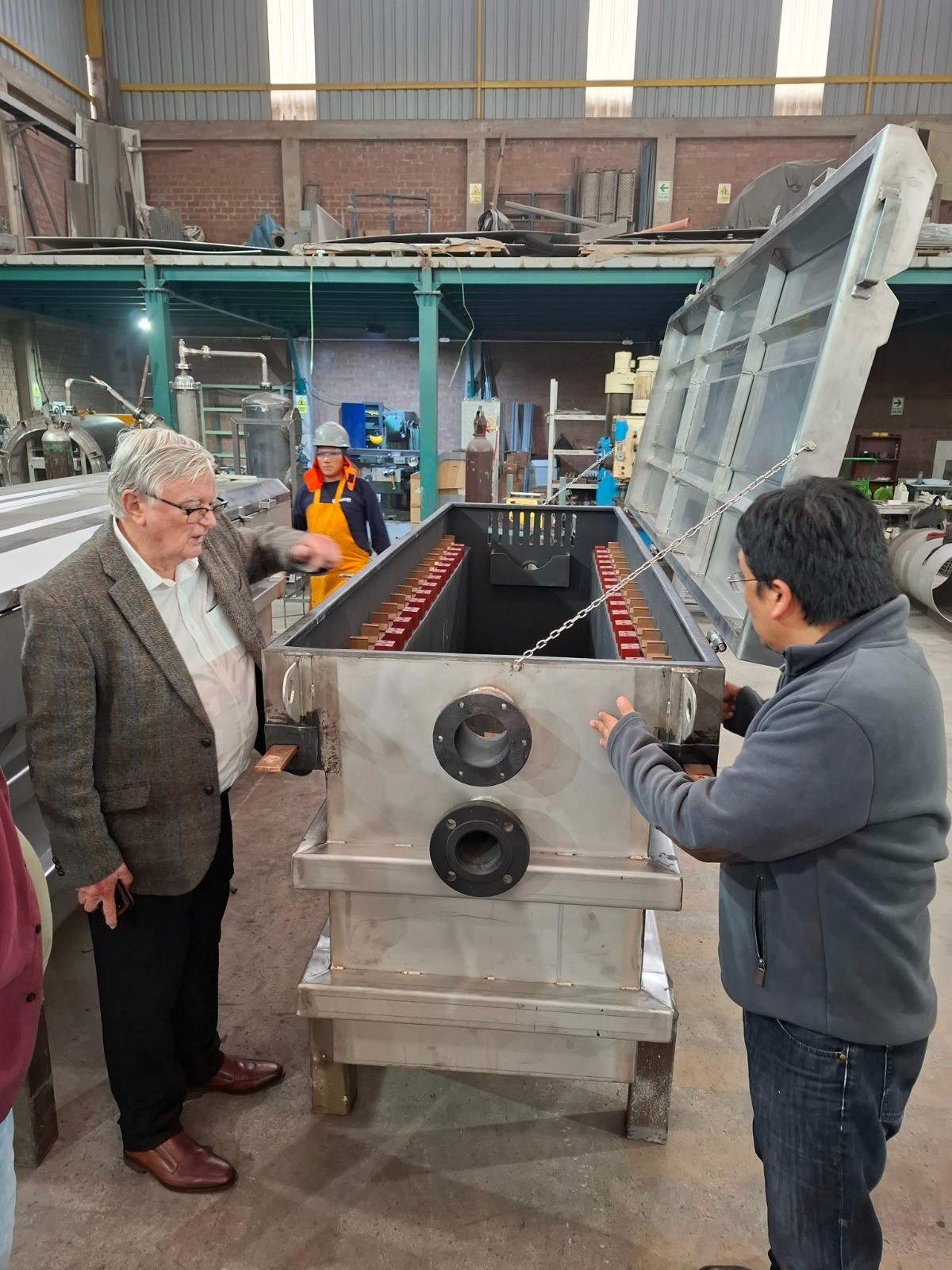
Stainless steel electrowinning cell. Gold and silver will be precipitated from elution solution and the precipitate will collect in the bottom of the cell.
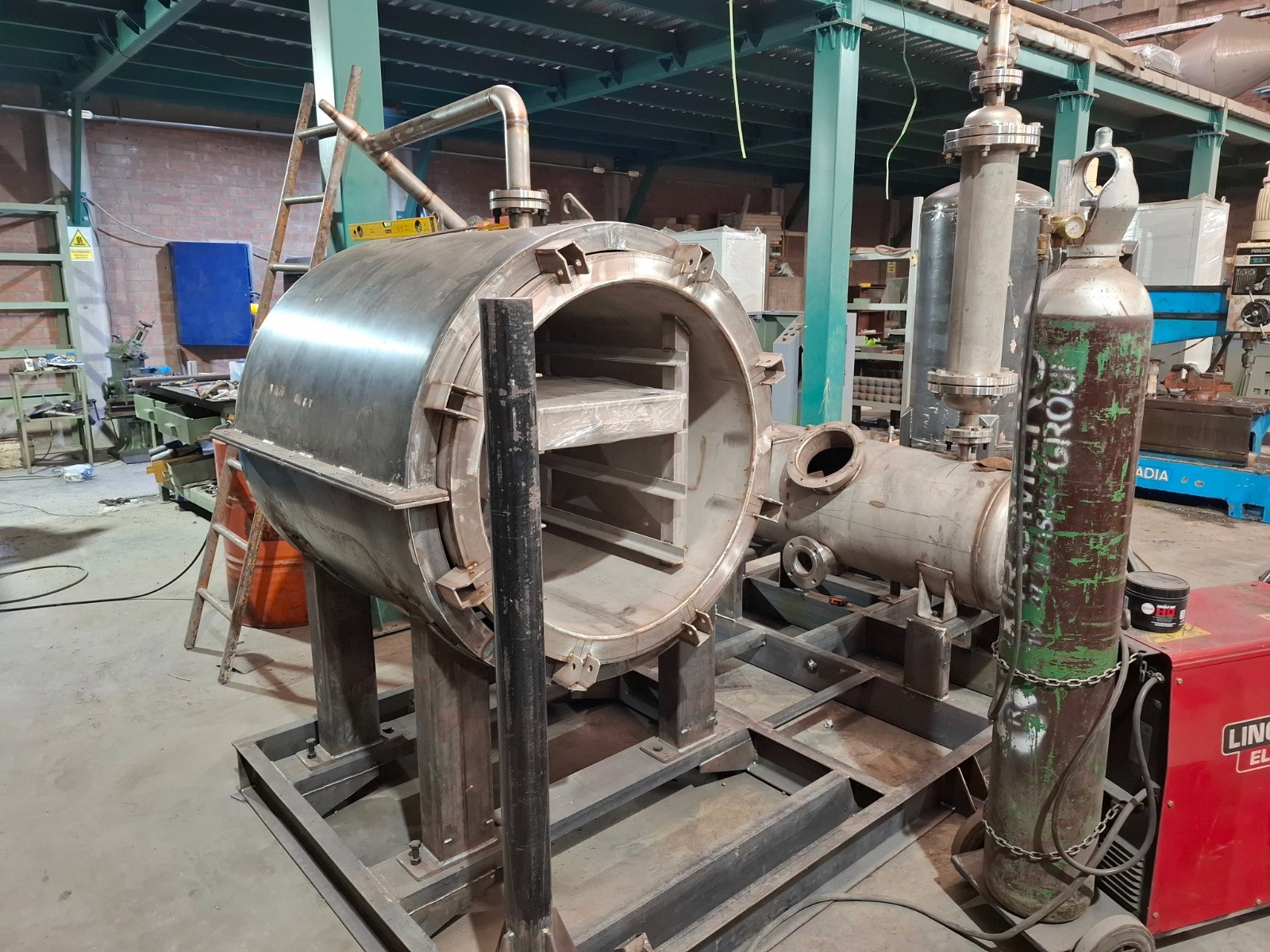
Retort and condenser system. The gold silver precipitate may contain small quantities of mercury and to avoid any mercury emissions during smelting the precipitate any mercury will be removed and collected.
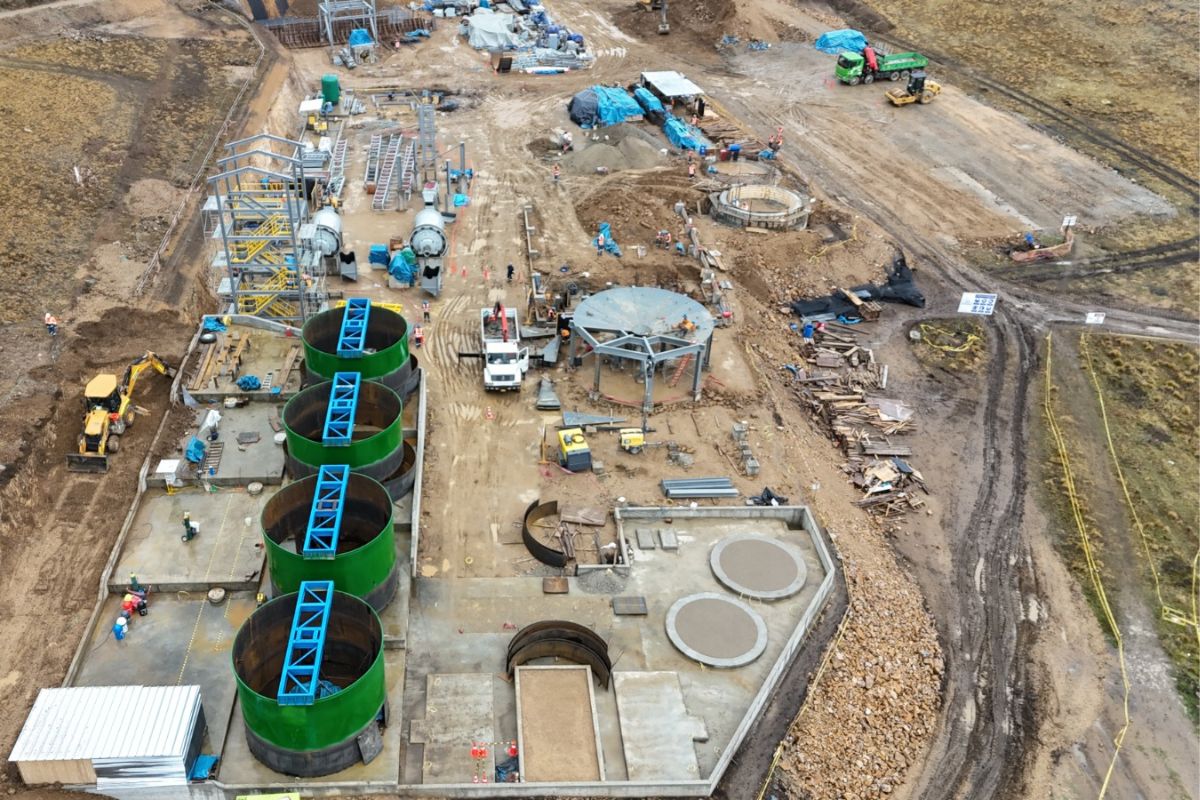
Plant Visit #2 - October 2nd 2025: Four leach tanks are nearing completion, as is the concentrate thickener to the right of the leach tanks. The two ball mills are also visible, and the tower to give the cyclones adequate elevation.
Stainless steel electrowinning cell. Gold and silver will be precipitated from elution solution and the precipitate will collect in the bottom of the cell.
Retort and condenser system. The gold silver precipitate may contain small quantities of mercury and to avoid any mercury emissions during smelting the precipitate any mercury will be removed and collected.
Plant Visit #2 - October 2nd 2025: Four leach tanks are nearing completion, as is the concentrate thickener to the right of the leach tanks. The two ball mills are also visible, and the tower to give the cyclones adequate elevation.
3D Model of Plant
For several years, ore from the Callanquitas mine has been shipped to for treatment on a toll basis, which has significantly reduced the profit due to transport and toll treatment costs, and recovery has also been low. A permit to build a dedicated plant near the mine has been obtained together with financing. The plant has been designed to treat a maximum of 350 tons per day to maintain the categorization as a small scale mineral producer, which carries certain advantages in permitting.
Plant Description
The plant is designed to treat both oxide and sulfide ore, with a leach circuit for the former and a flotation circuit for the latter. The mine has reserves of both of these ore types and they will be treated in batches, typically for 2 to 3 weeks of each ore type. A flow sheet for the process is shown in figure 1.
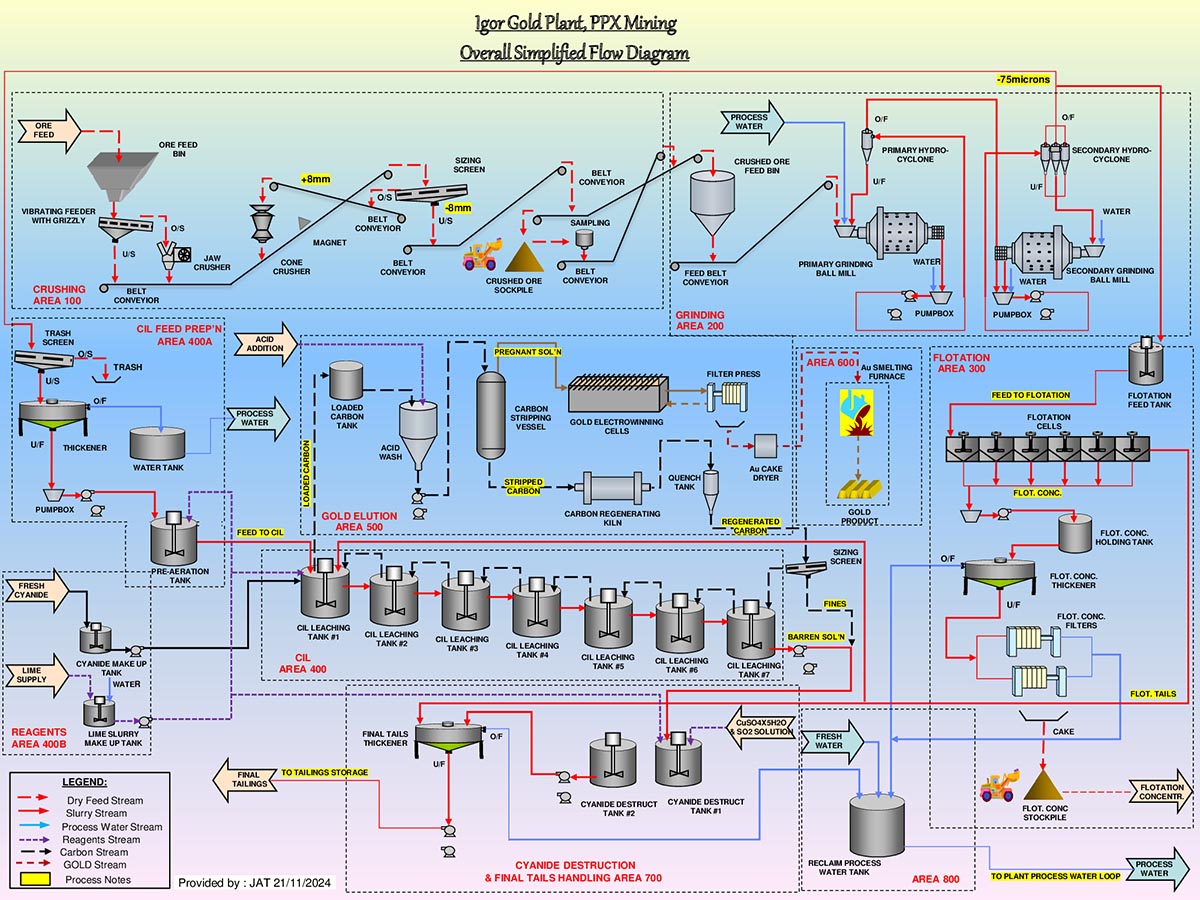
Both ore types will be crushed in a two-stage crushing circuit to a size of less than 12 mm. It will then be milled using two ball mills in closed circuit to a nominal size of 80% less than 150 microns. The milled product will pass to a thickener to increase solids concentration in the slurry. In the case of oxide ore, the first stage is to oxidize the iron associated with the ore in am agitated tank, with the addition of lime to raise the pH to 10.5. This is necessary to reduce the consumption of sodium cyanide. After which the slurry passes to a series of 7 tanks containing activated carbon and sodium cyanide is added to leach the gold and silver from the ore. The activated carbon adsorbs the gold and silver from solution and this carbon is removed from the circuit and treated to recover gold and silver by desorbing the valuable metals and precipitating them in a solid form using electrolysis. The precipitate is then smelted at high temperature and the gold-silver alloy, known as Dore bullion, is then sent to a refinery to produce high purity gold and silver which is sold. Using this Carbon in Leach process will obtain higher recoveries of gold than were obtained in third party plants, as the process greatly reduces the adsorption of gold by naturally occurring carbon in the ore.
After crushing and milling, sulfide ore is treated in the flotation circuit where a “collector” (potassium amyl xanthate) and a frother (MIBC) causes mineral particles containing sulfide minerals to float to the surface of the flotation machines and these collect in a froth that is collected as a flotation concentrate containing high levels of silver and significant amounts of gold. This is filtered and the solid “cake” is sold for export to overseas smelters, the price being dictated by the contained levels of silver and gold.
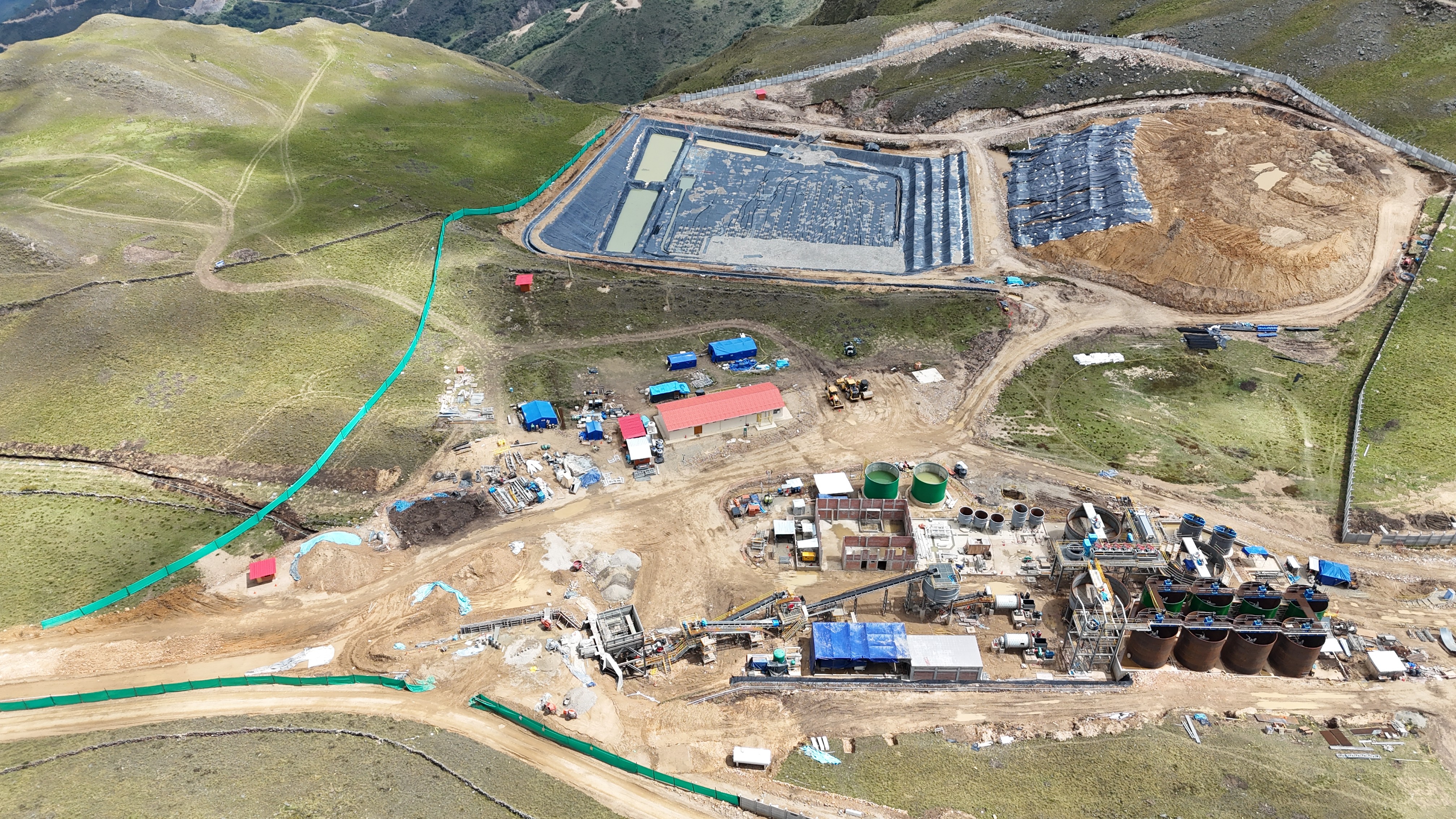
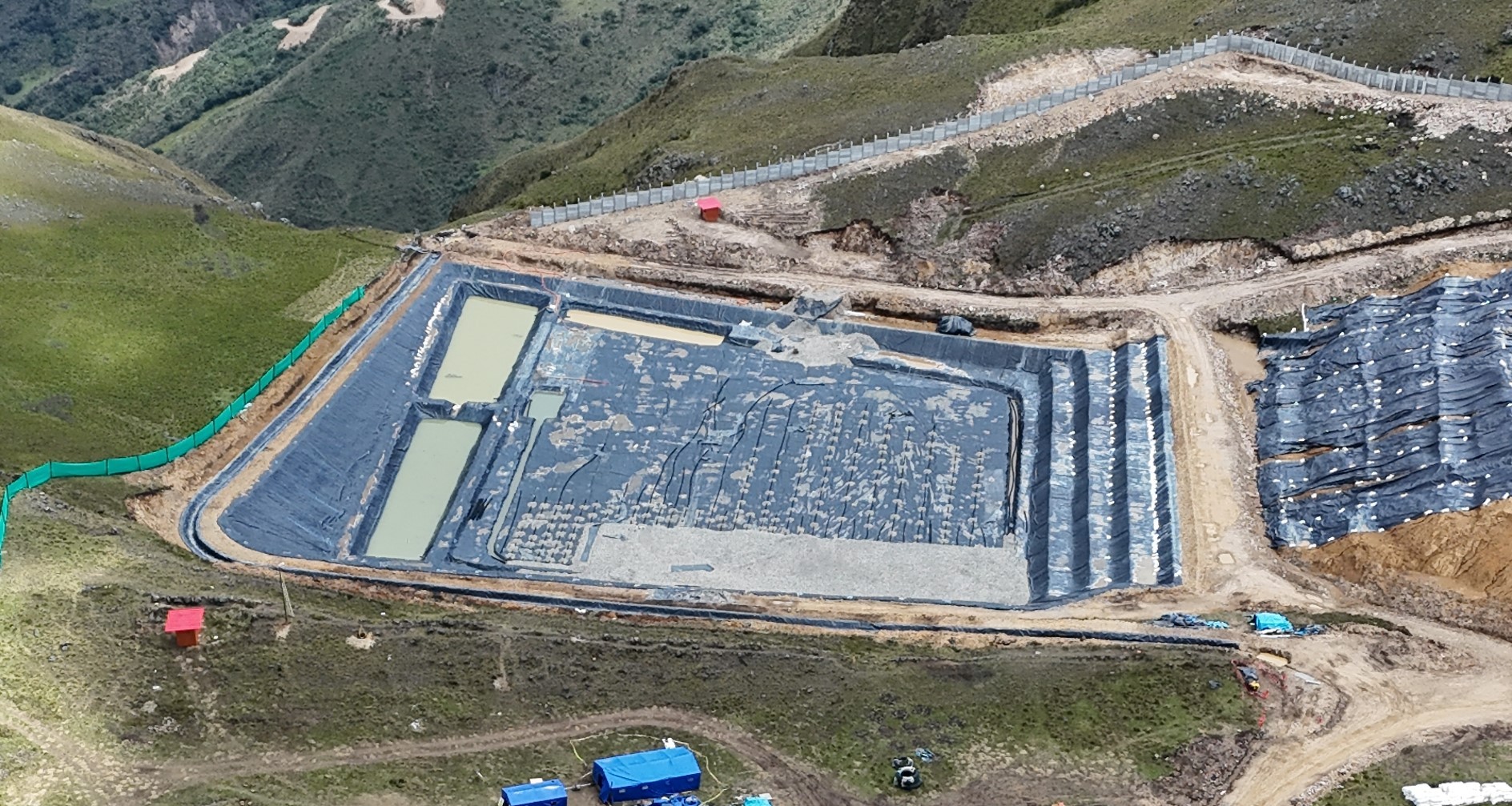
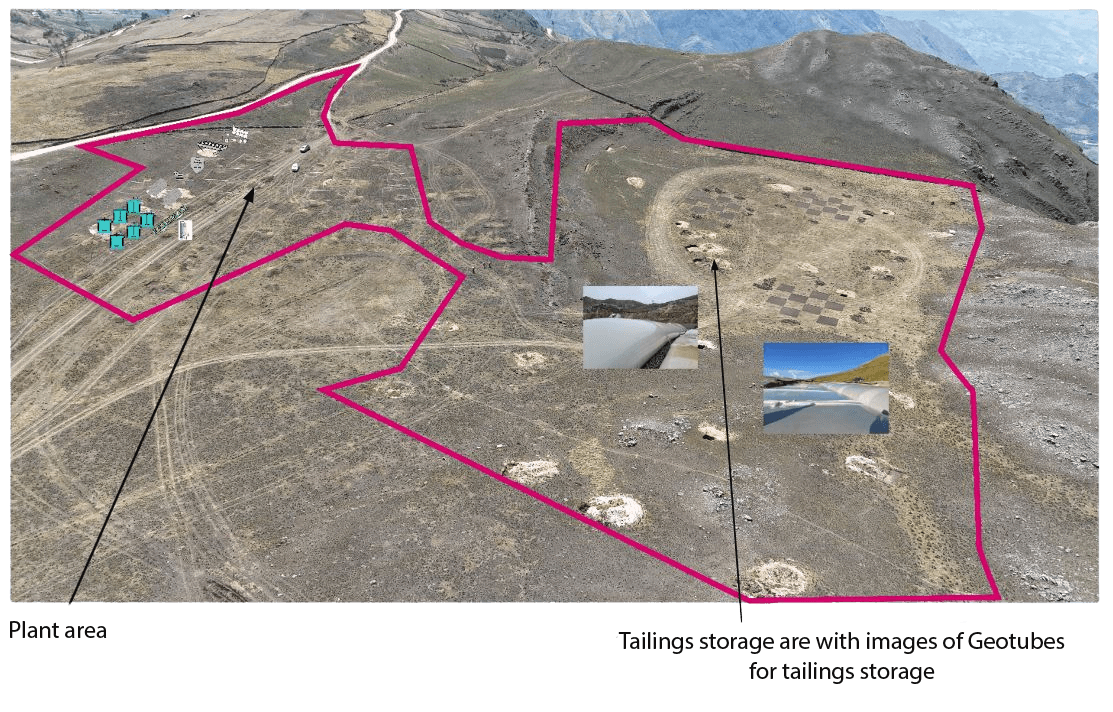
The plant will also require infrastructure, which includes a power supply, a tailings management facility which will use “Geotubes” to store tailings in a very stable form and which will maximize recycling of water, a water supply which will be pumped from a nearby watercourse and a laboratory, workshop and storage facilities.
Construction
Contracts have been signed with Sertecpet for the detailed design, procurement and construction of the plant with the mechanical construction of the leach circuit being fabricated and installed by JPC EC S.A.C.
Most major equipment has been ordered from a Chinese fabricator, Xinhai Mineral processing EPC, with some items from Peruvian suppliers.
The site is a plateau situated some 4 km from the mine entrance, this is the nearest suitable land for the plant due to the mountainous nature of the region. The site is owned by a PPX subsidiary. A photograph of the site with the plant and tailings area shown is presented below. Note that instead of a tailings dam containing liquid tailings, Geotubes will be used which eliminate the potential for dam failure.