
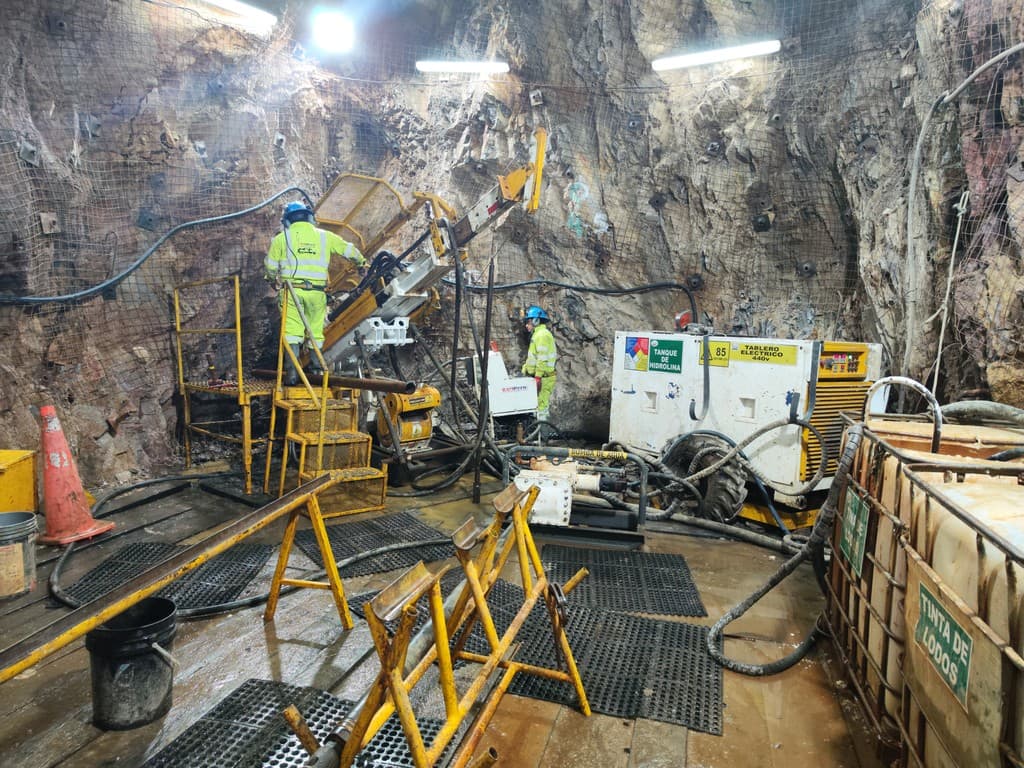
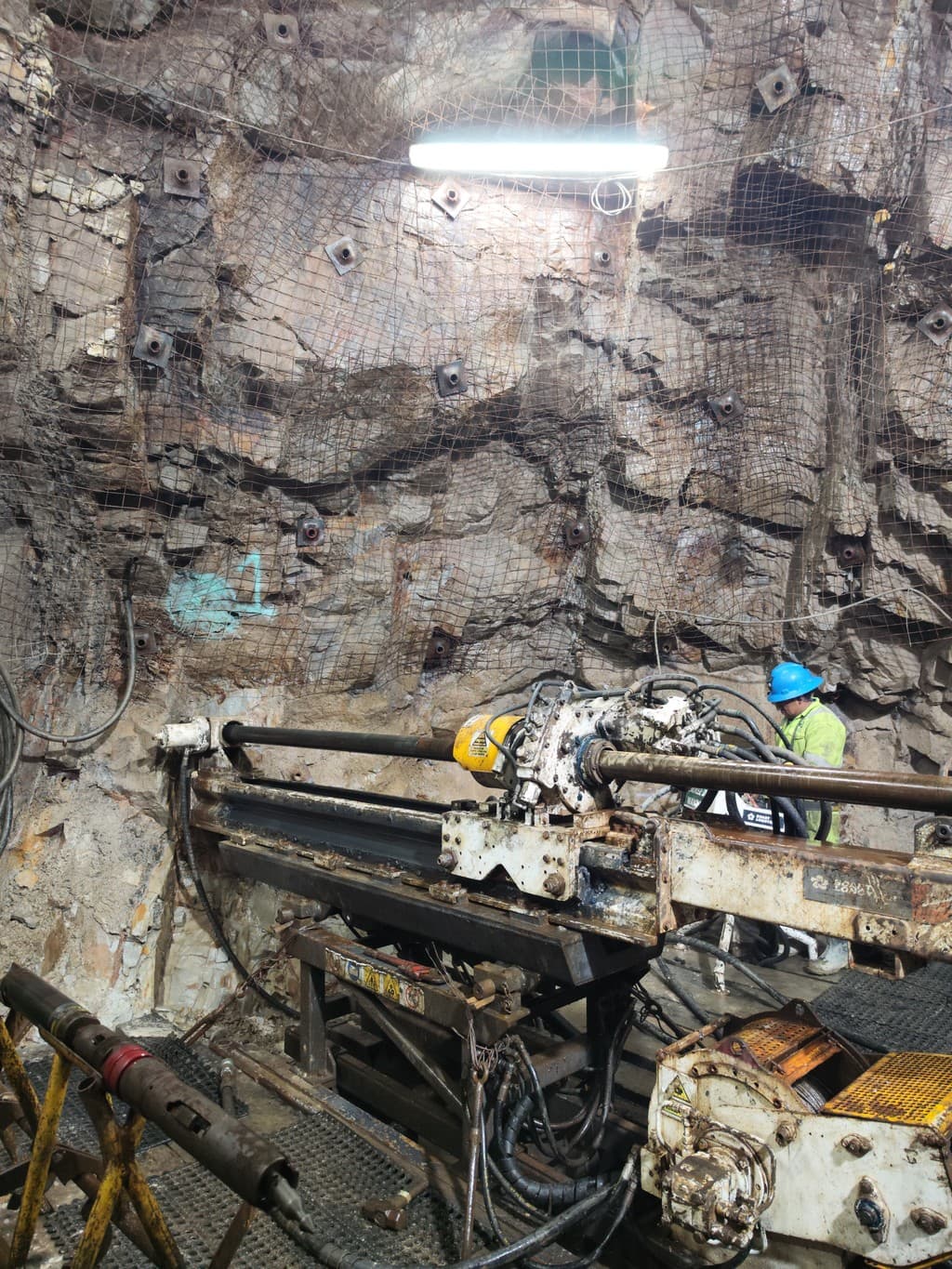
CA-17-86Callanquitas
0.0 m
Interval
- Au Grade
- 8.34 g/t
- Ag Grade
- 207 g/t
- AuEq
- 11.10 g/t
Including 3.3 m @ 27.72 g/t Au, 242 g/t Ag (30.97 g/t AuEq).
Phase One · 2017–18
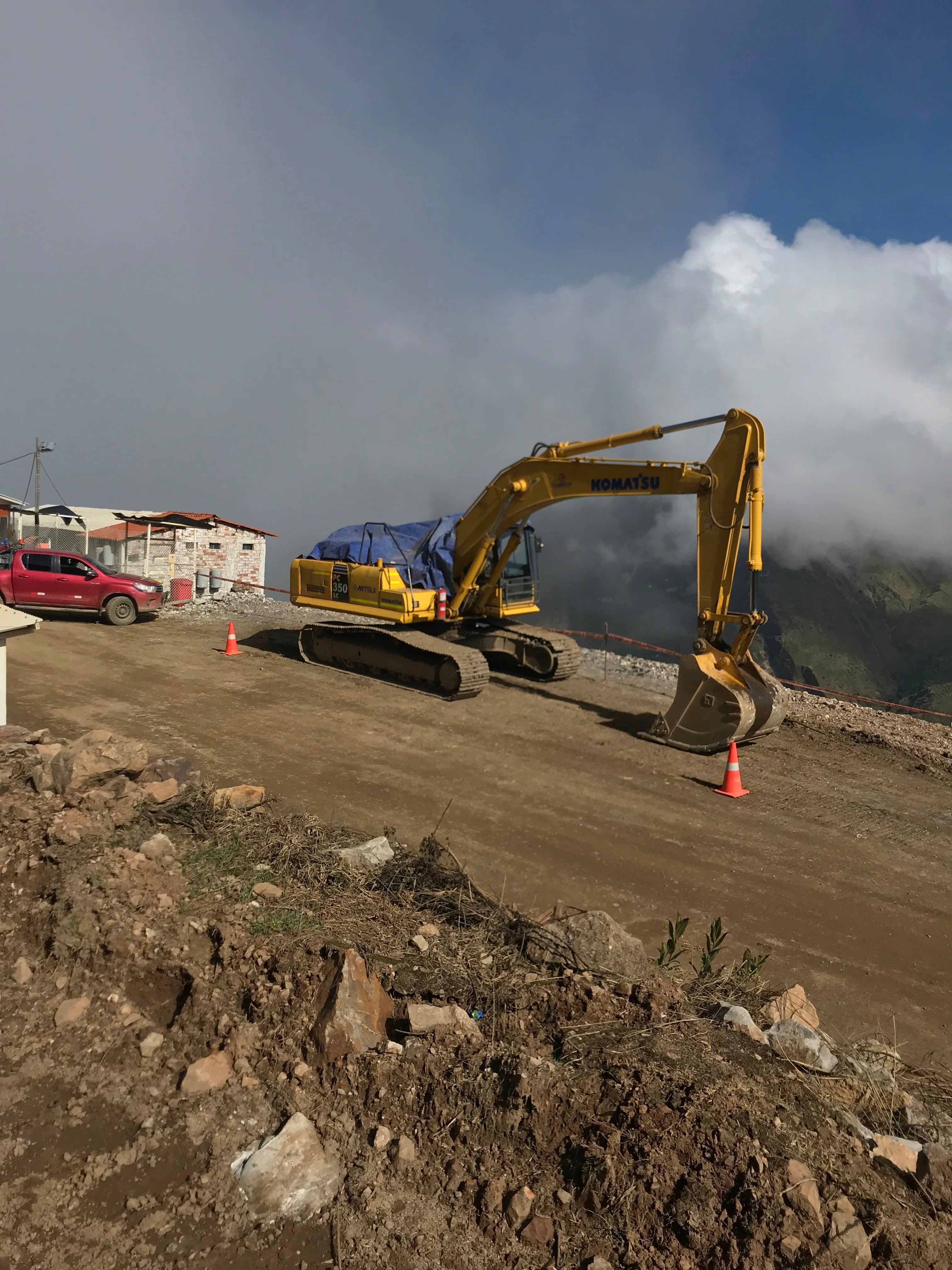
An operating Au-Ag mine plus three district areas, in the Western Cordillera of the Andes — 140 km from Trujillo, in the District of Huaranchal, Province of Otuzco.
Igor is located in northern Peru in the Western Cordillera of the Andes — in the District of Huaranchal, Province of Otuzco, Department of La Libertad.
Trujillo, a city of some 800,000 inhabitants and the capital of La Libertad, serves as the point of departure when travelling to the project. Trujillo is 560 km from Lima — a seven-hour drive or one-hour flight. Igor sits 140 km from Trujillo.
The Igor Project consists of four major components — Callanquitas anchors production today; the surrounding districts represent the multi-year exploration upside.
An operating Au-Ag mine. The Callanquitas Structure has been continuously evaluated and expanded since the first 2008 drill hole, anchoring PPX's production today.
A snapshot of location, components, claims, neighbours and infrastructure for the Igor land package.
From the first surface samples in 2005 to the Portachuelos discovery in 2018, the Igor Project has been continuously evaluated and expanded.
PPX acquired the Igor Project in June 2005. Over the next three years the company mapped and took approximately 3,100 rock and 250 soil samples. Three drill campaigns followed, largely focused on the Domo and Tesoros areas.
Exploratory drilling outside Domo and Tesoros intercepted significant gold and silver mineralization. The presence of copper and porphyry-type alteration suggested Igor may be underlain by a porphyry copper deposit.
218 m @ 0.6 g/t Au · 22.3 g/t Ag
Including 27.3 m @ 2.1 g/t Au, 35.4 g/t Ag. Hole finished at 230.7 m with a 2 m interval grading 1.7 g/t Au, 61.8 g/t Ag and 0.44 % Cu.
PPX resumed work in 2010 with a 2,500 m drill campaign at Callanquitas to delineate the near-surface oxide gold-silver mineralization first identified in 2008. The extended campaign finished in early May 2011 with 4,235 m of diamond drilling, defining the main Callanquitas structure approximately 5–20 m wide, 900 m long, and extending from surface to 300–400 m depth — open to north, south and at depth.
Drilling focused on higher-grade zones, particularly the central sector of the Callanquitas Structure. The work culminated in a NI 43-101 compliant resource estimate and Technical Report for the Callanquitas Structure (filed on SEDAR; amended September 27, 2013).
Drilling resumed at Igor with a Phase One 6,000 m program using two drill rigs — split between in-fill and resource expansion at Callanquitas, and testing the Domo, Tesoros and Portachuelos targets. The Callanquitas drilling outlined high-grade Au-Ag shoots with excellent continuity.
12.6 m @ 8.34 g/t Au · 207 g/t Ag (11.10 g/t AuEq)
Including 3.3 m grading 27.72 g/t Au and 242 g/t Ag (30.97 g/t AuEq). Phase One in-fill / resource expansion at Callanquitas.
Phase One drilling discovered a new shallow Au-Ag mineralized zone at Portachuelos, 800 m south of the Callanquitas resource. The zone has a minimum strike length of ~650 m and true thickness up to 40 m, hosted by tectonic and hydrothermal breccia along a north-northwest trending zone — open in all directions.
40.2 m @ 1.18 g/t Au · 115.4 g/t Ag (2.72 g/t AuEq)
At a vertical depth of approximately 25 m. Highlights the significance of the Portachuelos discovery.
Three Phase One drill-hole highlights — two in-fill / resource expansion at Callanquitas, plus the discovery hole at Portachuelos.
Including 3.3 m @ 27.72 g/t Au, 242 g/t Ag (30.97 g/t AuEq).
Phase One · 2017–18
Including 2.0 m @ 17.41 g/t Au, 200 g/t Ag (20.08 g/t AuEq).
Phase One · 2017–18
At ~25 m vertical depth. Highlights the Portachuelos discovery.
Discovery · Late 2017–18
AuEq is calculated using the formula AuEq oz = Au oz + Ag oz / 75, per PFS, inclusive of metallurgical recovery. Mineral resources are not mineral reserves and do not have demonstrated economic viability. There is no certainty that all or any part of the mineral resource will be converted into mineral reserves.
The Igor Project is evolving into a district-scale project with multiple deposits and mineralized zones.
Explore the geology behind the resource, the operating mine and processing plant, the technical reports backing it, and the community work supporting it.