
Geotubes
Replace a conventional tailings dam — store tailings in a stable form, eliminate dam-failure risk and maximise water recycling.
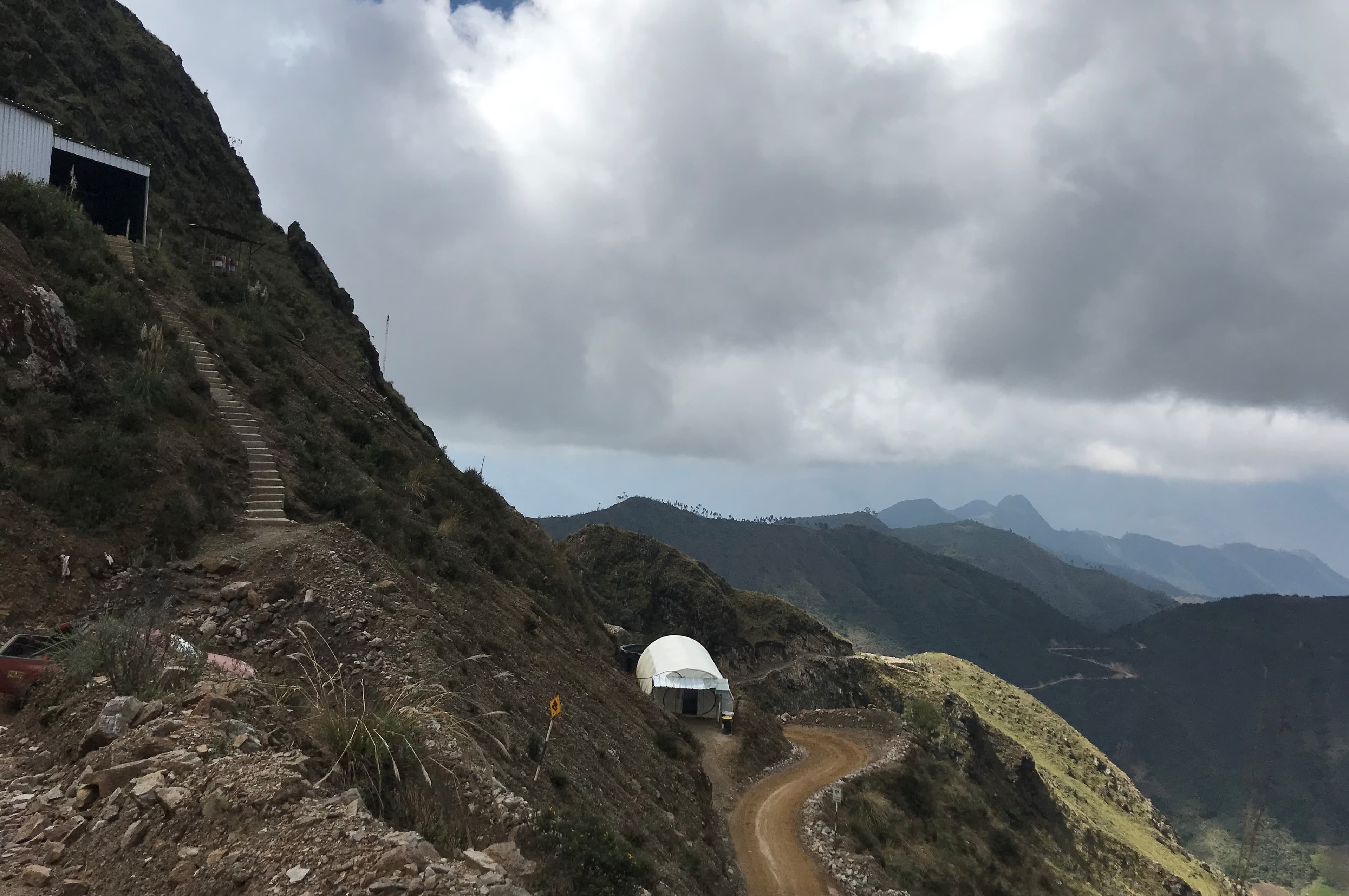
Mining the Callanquitas Mine since 2021. Building a 350 tpd Carbon-in-Leach + flotation processing plant on a plateau, 4 km from the mine — to lift throughput, lower costs and improve recoveries.
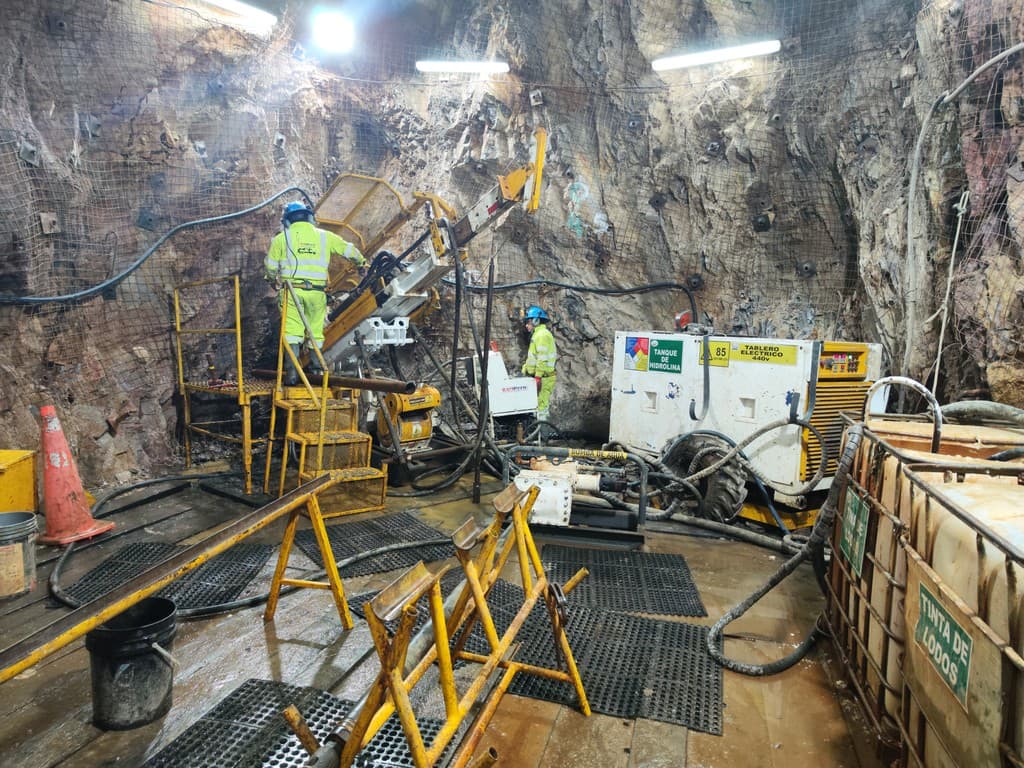
Exploiting high-grade, underground-minable oxidized gold and silver ore. Between 2021 and 2025 Mina Callanquitas has produced over 244,000 tonnes of ore grading 8.8 g/t gold and 144 g/t silver — from Resources at Mina Callanquitas, which form a portion of the project's Mineral Reserves as defined in the 2024 Mineral Resource Estimate. Currently mining at approximately 300 tonnes per day with ore processed at Peruvian toll-milling facilities — rising to 350 tpd on plant commissioning.
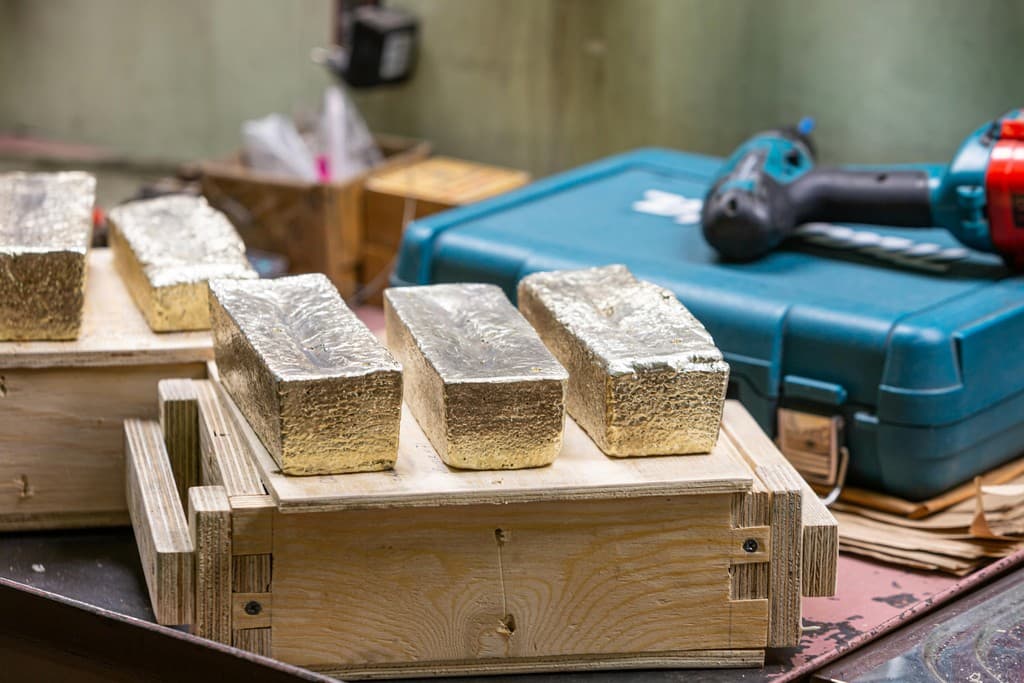
NI 43-101 compliant resource estimate prepared by Mining Plus of Lima, Peru and Toronto, Canada.
| Category | Tonnes | Au Grade | Au Oz | Ag Grade | Ag Oz | AuEq | AuEq Oz |
|---|---|---|---|---|---|---|---|
| Measured & Indicated | 663,700 t | 3.80 g/t | 81,090 oz | 137 g/t | 2.923 M oz | 4.70 g/t | 100,290 oz |
| Inferred | 759,000 t | — | 83,970 oz | — | 3.818 M oz | 8.21 g/t | 200,500 oz |
AuEq is calculated using the formula AuEq oz = Au oz + Ag oz / 75, per PFS, inclusive of metallurgical recovery. Mineral resources are not mineral reserves and do not have demonstrated economic viability. There is no certainty that all or any part of the mineral resource will be converted into mineral reserves.
For several years, ore from the Callanquitas Mine has been shipped for treatment on a toll basis, which has significantly reduced profit due to transport and toll-treatment costs — and recovery has also been low.
A permit to build a dedicated plant near the mine has been obtained, together with financing. The plant has been designed to treat a maximum of 350 tons per day to maintain the categorization as a small-scale mineral producer, which carries certain advantages in permitting.
Higher recoveries. Lower operating costs. JV ownership rising from 75% to 80% on commissioning.
The plant treats both oxide and sulphide ore in batches of 2 to 3 weeks per type. Both share crushing, milling and thickening — then split into a leach circuit (oxide) and a flotation circuit (sulphide).
Carbon-in-Leach is expected to deliver higher recoveries than third-party plants by greatly reducing the adsorption of gold by naturally occurring carbon in the ore.
The technical envelope of the new processing plant — sized to keep small-scale-producer status while lifting throughput and recoveries.
Replace a conventional tailings dam — store tailings in a stable form, eliminate dam-failure risk and maximise water recycling.
Nearest suitable land due to the mountainous region. Site is owned by a PPX subsidiary.
Medium-voltage transmission line approximately 7 km from the project site (Huaranchal District — project underway).
Water supplied by pump from a nearby watercourse, maximising recycling through the Geotube tailings system.
Plant infrastructure also includes a laboratory, workshop and storage facilities — supporting day-to-day operations on the plateau.
Lima, Peru and Toronto, Canada — NI 43-101 compliant.
Fabrication and installation of the Carbon-in-Leach tanks.
China — most major equipment, with some items from Peruvian suppliers.
Two elution columns operating at 140–150 °C, stainless-steel electrowinning cell, and retort + condenser system for mercury capture.
A snapshot of construction milestones at the Callanquitas processing plant through 2025.
On-site construction kickoff. Final excavation for retaining wall (feed silo location), enclosure wall for leach-area foundations, steel reinforcing for one of the leach tanks.
Earthmoving on the plant site is being completed; concrete installation scheduled to begin in early May.
Most plant equipment — flotation cells, conveyor structures, ball mill (with ring gear removed for ease of transportation), mill linings and mill drive — shipped from China. Estimated arrival second week of June.
Plant construction continues — ball-mill foundations are nearing completion. Ball mill in transit, climbing the steep access road to site.
Four leach tanks nearing completion; concentrate thickener to the right of the leach tanks. Two ball mills visible, plus the tower built to give the cyclones adequate elevation.
Read the technical reports backing the resource, the geology beneath the mine, or the community work supporting the project on the ground.